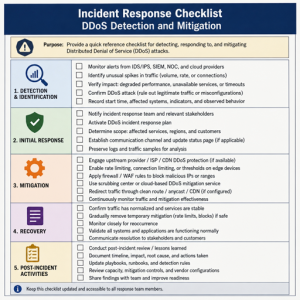
Distributed denial-of-service attacks are usually aimed at public-facing services, but the damage is often felt first inside the local network: slow applications, saturated internet links,
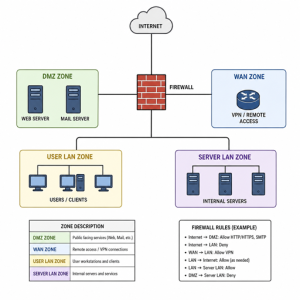
Build, review, and improve firewall setups with practical guidance for open source networking. This site helps teams, homelab builders, administrators, and security-minded developers understand how
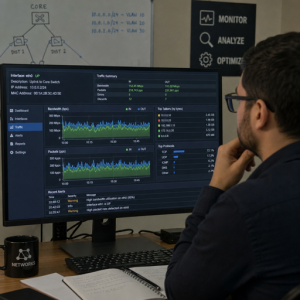
Packet sniffing and traffic analysis help teams understand what is happening inside a network by inspecting the data packets moving between devices, applications, and services.
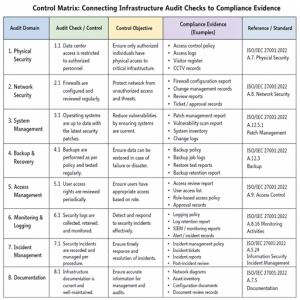
Open source infrastructure auditing is the practice of using transparent, community-accessible tools and methods to review servers, cloud resources, containers, networks, identities, and configuration for
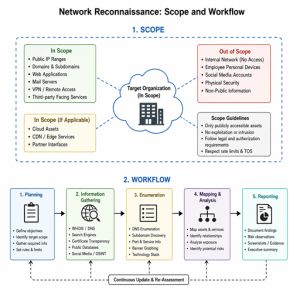
Network reconnaissance is the disciplined process of learning what exists in an environment before making security decisions. Done well, it helps teams understand assets, exposure,
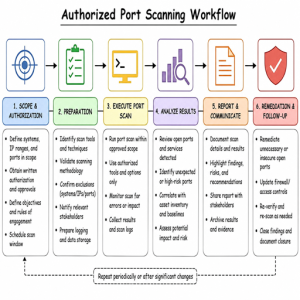
Open-source port scanning utilities help security teams, administrators, and curious learners understand which services are reachable on a network. Used responsibly, they turn unknown exposure
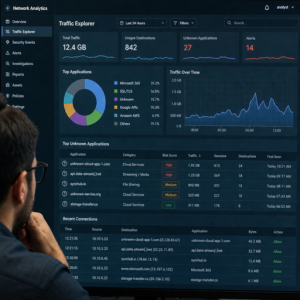
Shadow IT is any technology, application, cloud service, device, integration, or data workflow used for business purposes without formal approval or visibility from IT and
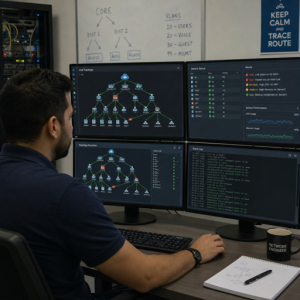
Network topology mapping software helps IT teams see how devices, links, VLANs, sites, and services connect, so they can troubleshoot faster and plan changes with
Zero-day vulnerabilities are security flaws that are unknown to the vendor, unpatched in the wild, or newly disclosed before defenders have a reliable fix. Because
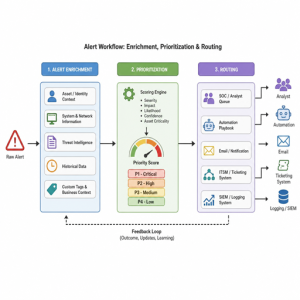
Automated alert triage helps security teams sort, enrich, prioritize, and route security alerts without relying on analysts to manually review every signal from scratch. It